

glass tempered glass
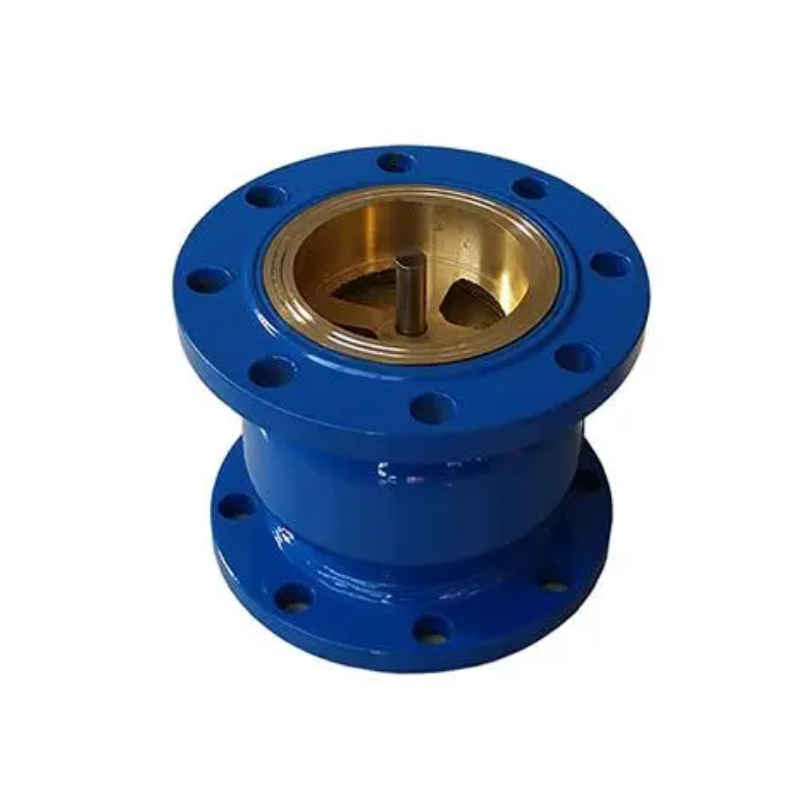
Understanding the 24% Butterfly Valve A Comprehensive Overview Butterfly valves are a vital component in various industrial applications, acting as a quick and cost-effective method for controlling flow. Among these, the 24% butterfly valve stands out due to its unique design and capabilities, catering to specific operational needs in diverse sectors such as water treatment, oil and gas, and chemical processing. What is a Butterfly Valve? A butterfly valve is a quarter-turn rotational valve that uses a circular disc or butterfly to regulate flow. When the valve handle is turned 90 degrees, the disc opens or closes the flow through the pipe. The simplicity of its design enables rapid movement, making it ideal for applications that require quick and frequent operation. The 24% Butterfly Valve Features and Applications The term 24% butterfly valve generally refers to valves with specific characteristics—perhaps relating to their size, flow coefficient, or the degree of opening associated with control applications. Designing a valve that functions effectively in this range involves balancing several factors, including size, materials, and pressure capabilities. 1. Size and Design The 24% butterfly valve is designed to fit specific pipeline dimensions, making it versatile for multiple installations. Its compact build ensures that it fits well in tight spaces, which is often a necessity in industrial setups. 2. Flow Control Efficiency The design of the butterfly valve allows for a consistent and reliable control of flow rates. It can manage a 24% opening effectively, providing operators with the ability to fine-tune flow as needed. This level of control proves essential in applications where maintaining equilibrium is critical, such as in chemical mixing processes. 3. Materials Butterfly valves are constructed from various materials, including stainless steel, cast iron, and plastic, depending on the application. For high-corrosive environments, stainless steel is preferable, whereas, for less demanding situations, cast iron or plastic may be used to reduce costs. The choice of material also affects durability and maintenance requirements. 24 butterfly valve 4. Applications The versatility of the 24% butterfly valve finds it utilized in several fields - Water Treating Facilities In these plants, the valve plays a crucial role in the flow regulation of water being treated to ensure optimal operations. - Oil and Gas These valves can handle different types of fluids and gas, making them integral in pipelines and processing facilities. - Chemical Industries Here, accuracy is paramount, and the ability to maintain specific flow ratios with valves like the 24% butterfly valve enhances operational efficiency. Advantages of the 24% Butterfly Valve 1. Cost-Effectiveness Compared to other types of valves, butterfly valves are often more affordable to purchase and install, especially when dealing with larger pipeline systems. 2. Compact Size The design of butterfly valves allows for less space to be required in comparison to traditional gate or globe valves, which can be advantageous in limited areas. 3. Quick Operation The quarter-turn mechanism enables swift adjustments, ideal for operations requiring rapid on/off control. 4. Less Turbulence When fully open, the disc shape of the butterfly valve creates minimal obstruction, resulting in lower pressure drops and improved flow efficiency. Considerations Before Installation Before selecting a 24% butterfly valve, several factors must be considered, including - Operating Pressure and Temperature Understand the conditions under which the valve will work. - Fluid Characteristics The type of fluid, its viscosity, and corrosiveness can influence material choices. - Installation Environment Ensure that environmental factors, such as potential for freezing or exposure to hazardous materials, are taken into account. Conclusion The 24% butterfly valve serves as a reliable and efficient option for flow control in various industrial applications. With its compact design, cost-efficiency, and quick operation, it is a preferred choice for many system operators looking to optimize their operations. As industries continue to evolve, the butterfly valve will likely remain an integral component in fluid control solutions. Understanding its features, applications, and advantages is critical for those involved in engineering and maintenance within these sectors.
about
glass tempered glass
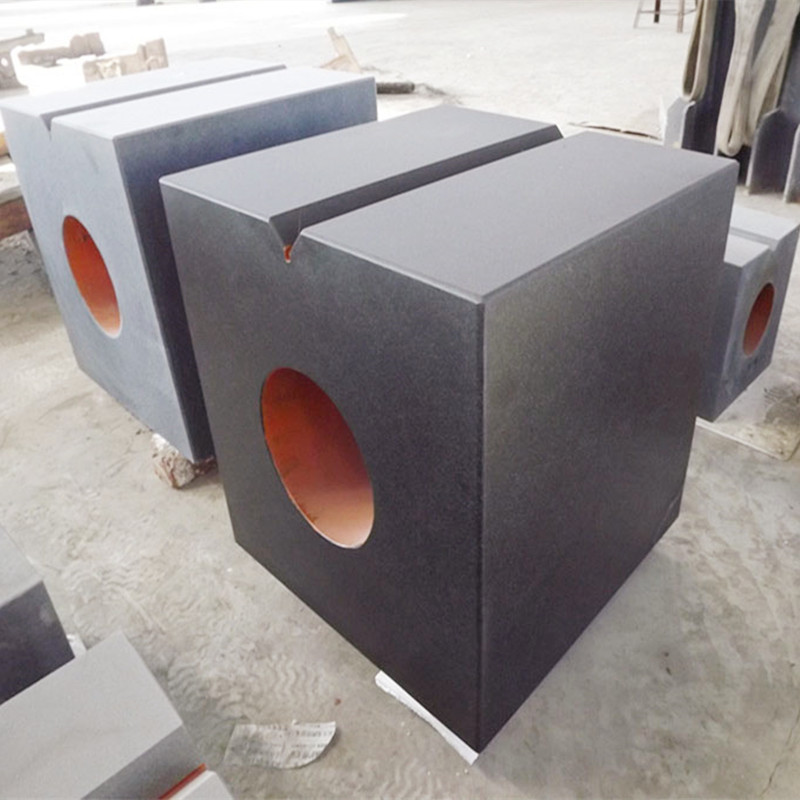
The Magnificence of Large Granite Blocks Nature's Incredible Creation Granite, an igneous rock formed from cooled volcanic magma, has captivated humans for centuries with its durability and aesthetic appeal. Among its various forms, large granite blocks stand as monumental testaments to both nature's power and human ingenuity. These remarkable stones, carved by countless years of geological processes, not only serve functional purposes but also embody a rich historical and cultural significance. The formation of granite begins deep within the Earth's crust. Over millions of years, magma cools slowly, crystallizing into a dense, coarse-grained rock rich in quartz, feldspar, and mica. This natural process creates stones of impressive size and strength, often measuring several feet in height and width. Large granite blocks are not just geological curiosities; they have been essential to various civilizations throughout history, serving as building materials for temples, monuments, and even entire cities. One of the most striking features of granite is its extraordinary durability. These granite blocks are resistant to weathering and erosion, making them ideal for structures intended to withstand the test of time. Historical sites, such as the pyramids of Egypt and ancient temples, often utilized large granite blocks to create enduring legacies. The Great Pyramid of Giza, constructed over 4,500 years ago, features granite blocks weighing several tons each, showcasing the ancient Egyptians’ advanced engineering skills. Moreover, large granite blocks have become iconic in modern architecture and art. Architects and builders continue to turn to granite for its strength and beauty . The United States Capitol Building and the Lincoln Memorial, both constructed using granite, demonstrate how these blocks can create striking visual impacts. The intricate craftsmanship involved in shaping and polishing granite leads to stunning surfaces that can elevate ordinary spaces into extraordinary places. large granite blocks In addition to their structural applications, large granite blocks have played a significant role in public art and monuments. Artists have utilized granite for sculptures that reflect cultural values and historical moments. The serene faces carved into granite at Mount Rushmore honor significant figures in American history, reminding visitors of the values they represented. These grand artworks transcend simple beauty; they provoke thought and discussion, making granite a canvas for storytelling. Beyond their cultural and architectural significance, large granite blocks also hold ecological and geological importance. They provide habitats for various organisms and play a crucial role in the rock cycle, contributing to soil formation and influencing ecosystems. Their presence in landscapes, from rugged mountains to serene lakeshores, adds to the natural beauty of our environment. As we learn more about sustainable practices, the extraction and utilization of granite must also adapt. Quarrying large granite blocks requires careful management to minimize environmental impact. Sustainable practices ensure that we preserve these natural resources for future generations while benefiting from their unique properties. In conclusion, large granite blocks are more than just geological formations; they are historical giants that symbolize the interplay between nature and civilization. Their durability, beauty, and versatility make them indispensable in both cultural heritage and modern design. As we appreciate these magnificent stones, we are reminded of the stories they hold and the beauty they add to our world. Whether in ancient temples or contemporary architecture, large granite blocks continue to inspire awe and admiration, standing as enduring monuments to the creative spirit of humanity.
-

High quality industrial productsagement

High quality industrial products
View Details -

Meet the diverse needs of customers

Meet the diverse needs of customers
View Details -

Strict quality control

Strict quality control
View Details -

Top raw materials

Top raw materials
View Details -

Trusted supplier

Trusted supplier
View Details
Our application

news and information
Valve Wholesale - High-Quality Valve Supply for All Industrial Needs
Understanding Valve Wholesale An Essential Component in Industrial Supply Chains In the realm of ind

water hose check valve
Understanding the Importance of Water Hose Check Valves Water hose check valves are essential compon

water valve which way is open
Understanding Water Valves Determining the Open Position Water valves play a crucial role in plumbin
 English